



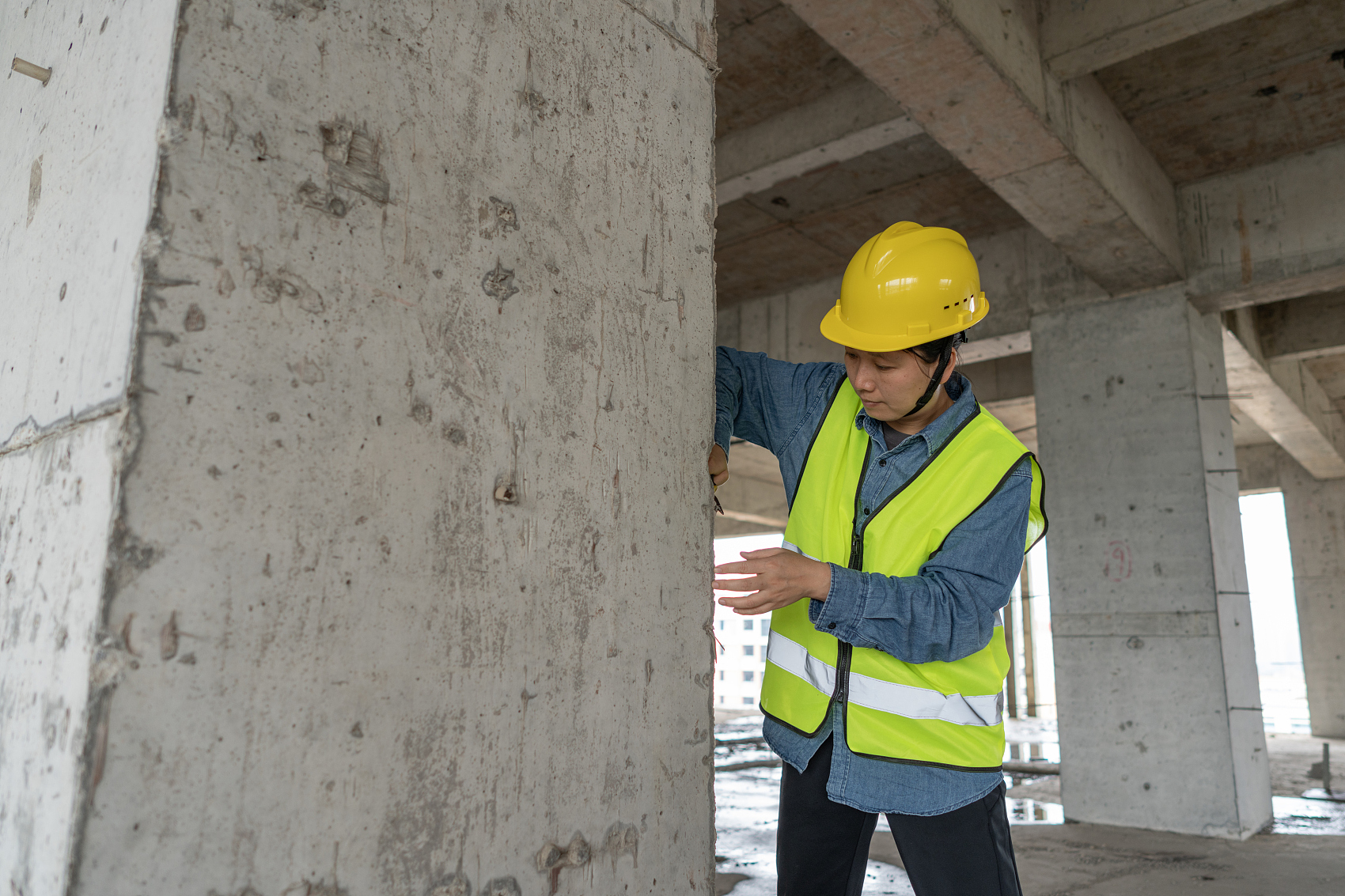
On January 22, 2025, the Legislative Council debated the motion on “Strengthening Regulation of Construction Safety.” I would like to thank my colleagues for supporting my proposed amendment, which urges the government to study legislation regulating the roles and responsibilities of key stakeholders in the construction industry, as well as to implement “Design for Safety” (DfS) to fundamentally enhance safety awareness and strengthen the safety culture within the industry.
Ensuring construction safety and preventing accidents before they occur is the best approach. The Construction Industry Council analyzed over 90 fatal accidents in Hong Kong’s construction sector using the “Key Stakeholder Model” (including owners, designers, contractors, relevant construction professionals, site supervisors, and workers). This model identifies the shortcomings of each individual in their respective roles and responsibilities in each incident. By referencing and comparing safety regulations and standards from other advanced regions, the conclusion is that “clearly defining the safety roles and responsibilities of all stakeholders” helps raise occupational safety and health awareness and fosters a safety culture, effectively improving site safety. I recommend that the government study legislation to regulate the roles and responsibilities of relevant stakeholders.
I also suggest that the government explore legislative measures to implement “Design for Safety” (DfS), ensuring that risks during construction and maintenance are considered during the planning and design stages of projects. The government should conduct in-depth research and learn from domestic and international engineering experiences, understanding strategies and measures adopted elsewhere to reduce construction costs and enhance site safety. Examples include Singapore’s introduction of Design for Manufacturing and Assembly (DfMA) regulations and safety-oriented design requirements.
Accelerating the adoption of smart technologies for site safety, promoting innovative construction methods, and leveraging new technologies to enhance construction site safety and occupational health protections are responsibilities the government cannot shirk. I recommend that the government further support the industry in widely applying technologies such as Building Information Modeling (BIM), artificial intelligence, the Internet of Things, geographic information systems, big data, sensors, robotics, drones, and digital twins. Integrating these technologies into construction processes can reduce the need for manual labor in high-risk tasks, thereby improving project quality, construction efficiency, and site safety.